

Updates
home / News
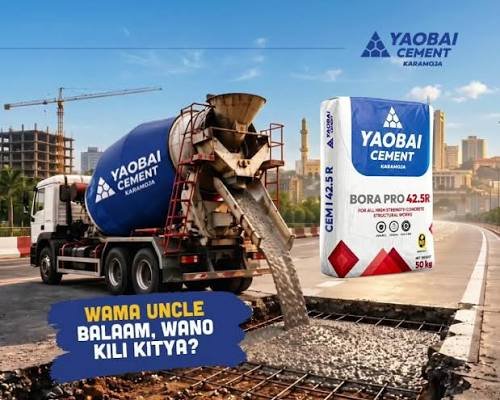
Cement Supply Planning for Large Projects in Uganda: A Contractor's Procurement Checklist
For a major construction project, cement procurement should begin long before the concrete mixer starts operating.
A shortage of cement can stop work, while excessive purchasing can tie up working capital and create unnecessary storage risks.
For contractors and developers in Uganda, a structured cement procurement plan can therefore become an important part of project management.
1. Establish the Total Project Requirement
The first step is to estimate the overall cement requirement.
This should be based on the project’s:
Bill of quantities
Concrete design
Masonry requirements
Plastering
Screeding
Precast requirements
Other cement-based works
The estimate should be prepared by the appropriate technical team.
2. Break the Requirement Into Monthly Volumes
A total project quantity is not enough.
Procurement teams should convert the requirement into expected monthly or weekly consumption.
For example:
Total requirement → monthly requirement → weekly requirement → delivery schedule
This makes purchasing and cash-flow planning easier.
3. Match Supply With the Construction Programme
Cement deliveries should correspond with the project’s actual work programme.
There is little benefit in receiving large quantities months before they are needed if adequate storage is unavailable.
Conversely, late delivery can stop concrete and masonry activities.
4. Consider the Cement Specification
Different construction activities may have different technical requirements.
The contractor should confirm the approved cement specification before ordering.
The project engineer, consultant or relevant technical authority should determine the appropriate product for each application.
5. Confirm Packaging Requirements
Large projects should establish whether they require:
Bagged cement
Bulk cement
A combination of both
This decision affects transportation, storage, labour and site infrastructure.
6. Check Delivery Capacity
A supplier may have cement available but still be unable to meet a project’s delivery schedule.
Before awarding a major supply order, contractors should discuss:
Available volumes
Delivery locations
Trucking arrangements
Lead times
Delivery frequency
Offloading requirements
7. Plan Working Capital
Cement procurement can consume substantial amounts of project working capital.
Procurement managers should coordinate cement purchasing with:
Client payment schedules
Contractor cash flow
Supplier payment terms
Project milestones
Expected monthly consumption
This helps avoid unnecessary financial pressure.
8. Maintain a Backup Supply Plan
Major projects should not rely entirely on last-minute purchasing.
A contingency plan can identify:
Alternative delivery dates
Additional transport capacity
Emergency stock requirements
Approved alternative products where technically acceptable
Any product substitution must be approved according to the project’s technical requirements.
Mega Pak Uganda Limited and Yaobai Cement Supply
Mega Pak Uganda Limited supplies Yaobai Cement to construction companies, developers and commercial customers in Uganda.
For major projects, Mega Pak can engage with procurement teams regarding expected volumes, project locations and delivery requirements.
Early discussions can make it easier to align cement supply with the construction programme.
Large Projects Require More Than a Price Quote
When evaluating cement suppliers, contractors should look beyond the quoted price.
A useful evaluation can include:
Price + availability + logistics + consistency + delivery capacity + payment terms + technical suitability.
The lowest initial quotation may not necessarily represent the lowest overall project cost.
Conclusion
Cement procurement should be treated as a project-management function rather than simply a purchasing transaction.
By forecasting consumption, coordinating deliveries, confirming specifications and planning working capital, contractors can reduce the risk of construction interruptions.
For commercial and large-scale cement requirements in Uganda, Mega Pak Uganda Limited provides Yaobai Cement supply solutions tailored to project needs.